

Table of contents
When you need to pay to China, you are usually faced with three main options: Alipay, WeChat Pay, or a bank transfer in Yuan (RMB). All three are legitimate and widely used, but each has a different character. Choosing the right one from the start makes payment smoother and reduces the risk of sending money to the wrong place. This article helps you compare them based on your needs.
A quick overview of the three options
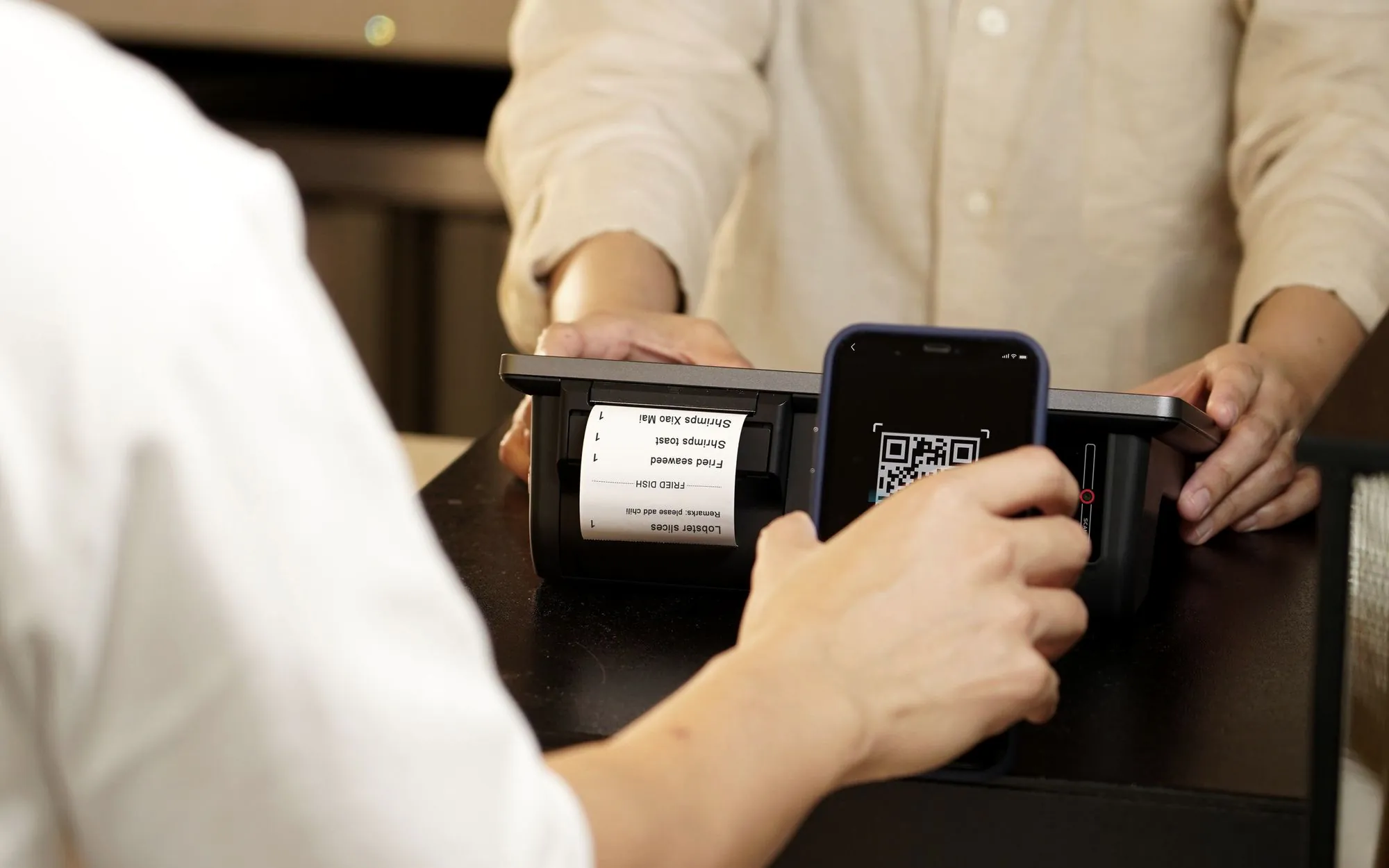
- Alipay. A digital wallet closely connected to online shopping in China, including marketplaces such as Taobao and 1688, as well as payments at stores and merchants.
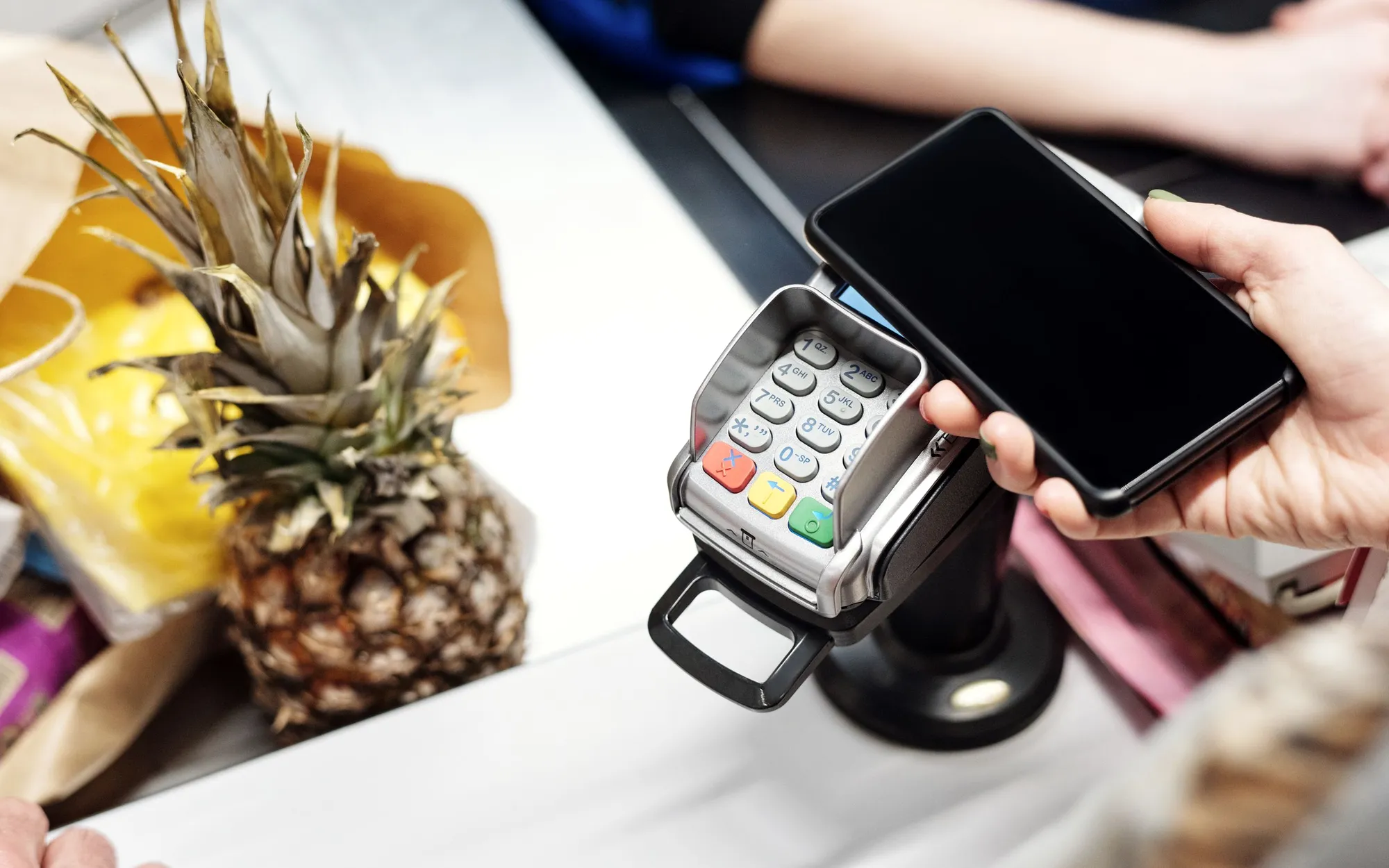
- WeChat Pay. The digital wallet inside the WeChat app. Well suited to transactions that start in a chat, for example with suppliers, sellers, or partners who communicate via WeChat every day.
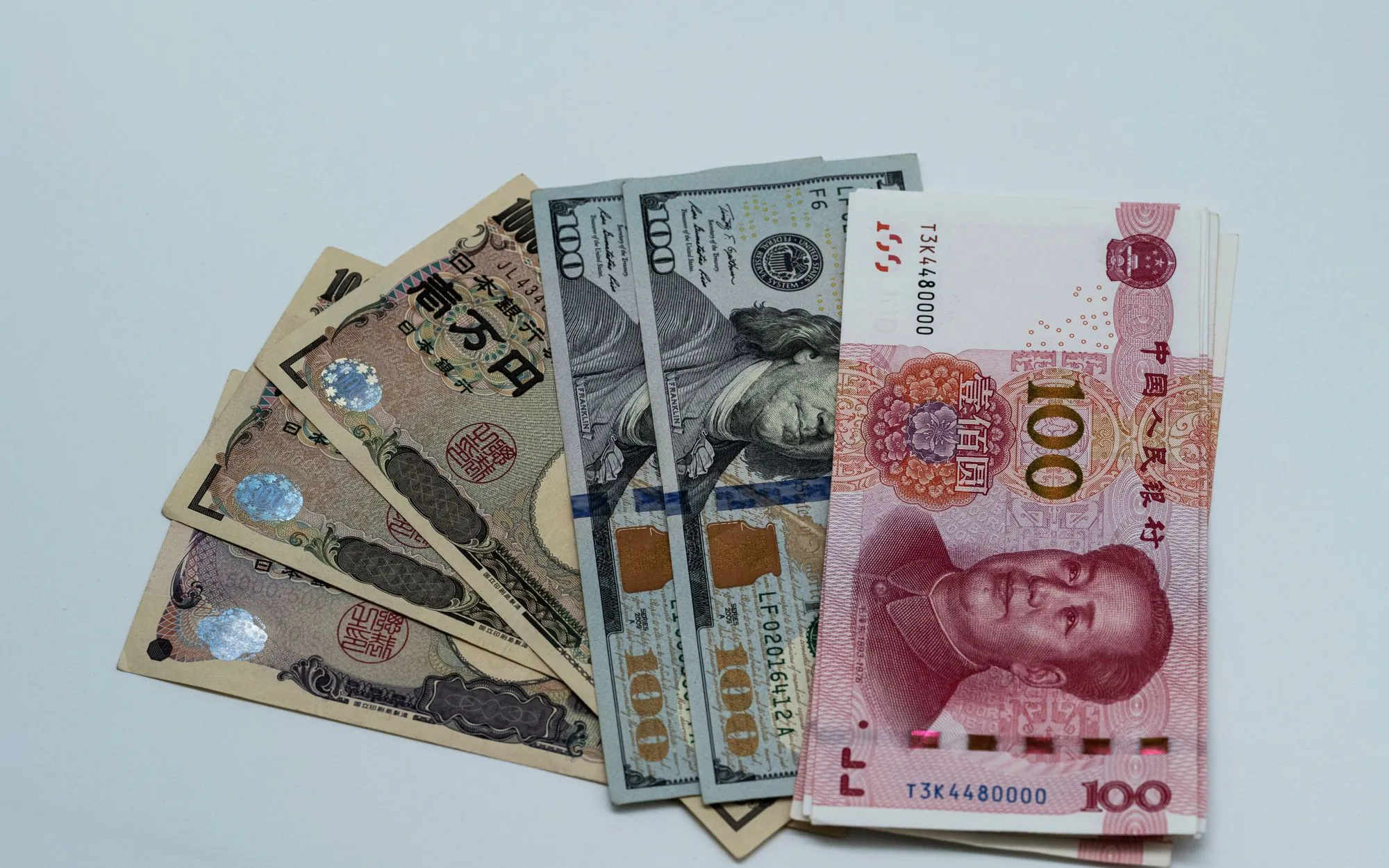
- RMB bank transfer (TT). Sending funds directly to the recipient's bank account in China, whether a personal or corporate account. Commonly used for large orders and payments that require formal proof.
Comparison based on needs
Personal needs
For everyday shopping, travel, or paying for services in China, a digital wallet is usually the most practical. Choose Alipay or WeChat Pay depending on what the place you are dealing with accepts. Many people end up setting up both so they are not stuck when one method is unavailable.
Business needs and marketplace orders
If you regularly buy on 1688 or Taobao, payment is generally tied to Alipay. If you do not yet have an Alipay account you can use, the Someone to Pay feature can help, as explained in how Someone to Pay works on 1688 and Taobao.
Payments to suppliers
For suppliers, the choice is often determined by the transaction value and the recipient's preference. Suppliers who work with overseas buyers usually list the payment methods they accept on their invoice. Large orders are generally paid more often by bank transfer, while smaller or quicker payments are sometimes made via a digital wallet. This is only a general tendency, so follow your written agreement with your supplier.
Things worth considering
- The method the recipient accepts. This is the first consideration. There is no point choosing a method the recipient cannot use.
- Proof and bookkeeping. Bank transfers produce a clear transfer receipt that is easy to match with an invoice. Digital wallets also provide transaction proof, but make sure you keep it organized.
- Type of recipient. Corporate accounts are common for business transactions, while digital wallet accounts are often in the name of an individual or a store. Make sure the recipient name matches the party you are working with.
- Limits and terms. Each platform and bank has limits and terms that can change. Ask in advance so you are not held up when the amount is large.
- Ease of coordination. If your day-to-day communication is via WeChat, paying via WeChat Pay can be more practical. If the recipient sends an official invoice with bank details, a TT transfer is more appropriate.
Whatever the method, the basic habits are the same
Double-check the recipient details before paying, calculate your needs in Yuan, ask for the latest exchange rate quote, and keep all proof. For a more detailed guide, read tips for paying Chinese suppliers safely. Each method is covered in the Alipay top up guide, the WeChat Pay top up guide, and the introduction to TT transfers.
How SobatYuan helps
SobatYuan handles Yuan transfers to Alipay and WeChat Pay, payments to Chinese bank accounts (RMB TT), supplier payments, and Someone to Pay on 1688 and Taobao. If you are not sure which method suits you best, tell our team about your needs through the Contact Us page. You can also view all our services or check rates using the Check Rates card.